Thanks to longtime resident Azita Aparicio, here are some handy Internet tips on caring for your plumbing.
Clean your drains once a month. However, some drains will need to be checked on more regularly, particularly bathtub or shower and bathroom sink drains because that's usually where hair becomes a problem. Hair loss while shampooing or shaving is a natural everyday occurrence, but it doesn't take much to block a drain pipe. When you add to that all of the soap and toothpaste you're using, it's easy to see why clogs can happen so quickly and be so stubborn.
About Once A WeekLift up pop-up stoppers in the bathroom sink, remove any debris and put it in the trash, then rinse the stopper off and put it back in the drain.
Remove the drain cover from your shower or bathtub drain and use a bent wire or a
hair catching brush to clear out any debris that has accumulated there.
About Once a MonthClean your garbage disposal with a sturdy
disposer brush or grind up a few cups of ice and some table salt. This helps to cut the grease and slime off the sides of the disposer. Then flush it out with cold water followed by half of a lemon or lime to deodorize.
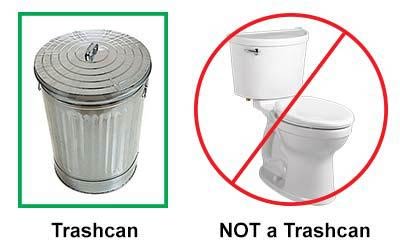 The Big Giant List of All the Stuff You SHOULDN'T Put Down Your Drains...Grease, fats, or oils
 from cooking - they congeal and cause other items to get stuck, creating clogs and massive blockages. This is a really broad category that includes meat fats, lard, vegetable oils, shortening, butter, margarine, and many dairy products.
Coffee grounds - they pretty much do the same thing grease does.
Meat, poultry, and fish bones, as well as egg shells - garbage disposals aren't meant to grind bones or egg shells, so the shards often go down the drain to form clumps with other items. The fat from any meat left on the bones only makes the clog worse.
Pasta, rice, and breads will expand with water causing blockages. And even if the water eventually drains, these foods are most likely still stuck to the inside of your pipes to cause another blockage next time.
Gum…it seems fairly obvious that something that is basically a sticky ball will get hung up somewhere.
Stickers - often people will pull the label stickers off fruits and veggies and simply toss them down the drain during washing. These can clump up with other things to cause clogs.
Hair. Human, pet, doll, fuzzy pillow, or stuffed animal hair - it doesn't matter - just try to keep it out of your drains.
Baby wipes, napkins, paper towels, and other paper products. Even some toilet papers just don't dissolve quickly or thoroughly enough to be handled by septic or sewage lines.
Tampons, maxi pads, other feminine hygiene products, including the packaging they come in.
Cotton balls, cotton swabs, cigarette butts, fabric softener/dryer sheets, or similar fibrous materials - including fibrous foods like celery, carrots, and potato peels which your garbage disposal cannot chew up.
Cat litter, even the flushable kind.
Other "flushable" products - including toddler wipes and sanitary products. Most often these things don't break down as well as the manufacturer claims, especially if you have a septic system.
Band-aids and dental floss – these both tangle up with small clogs to turn them into big clogs.
Razors, blades, syringes, needles, etc. – these can cause serious injury to municipal sewage/wastewater workers and to wildlife. Contact your local pharmacy or public health authority for safe ways to dispose of this type of item.
Condoms, balloons, or rubber gloves will inflate and can be a fairly destructive obstruction.
Prescription medications, lotions, and cosmetics. While anything that goes in or on your body might seem safe, these items can be potentially toxic to wildlife and/or leech into our drinking water. Many pharmacies will “take back” leftover medications, or check with your doctor or local public health authority for similar disposal programs.
Glue. Do we really need to explain why this is a bad idea?
Bottle caps, whether metal or plastic, will not only ruin your garbage disposal but can also get stuck in smaller pipes.
Toys are a common culprit of toilet clogs. Teach kids about what is and isn't okay to flush, and make sure they understand the toilet isn't a jacuzzi for Barbie and G.I. Joe.
Soap can clog drains faster than you might think - mostly when the residue builds up and catches other things. Try using less detergent, shampoo, toothpaste, etc. when you can, and from personal experience we recommend trying to keep the kids from dropping a bar of it down the toilet...
Paint, paint solvents, nail polish, or nail polish remover harm our groundwater and in many places are illegal to put down drains. Check with your local paint or hardware store for information about how to dispose of these items properly.
Motor oil, transmission fluid, anti-freeze, etc. Your local auto parts store can tell you how and where to dispose of these substances, and some even have programs to dispose of them for you.
Bleach and other anti-bacterial cleaners. This one is mostly for those who have a septic system since anti-bacterial agents can kill off the good bacteria that are keeping your septic system functioning, although there is mounting evidence that these cleaners are detrimental to municipal sewage systems as well.


